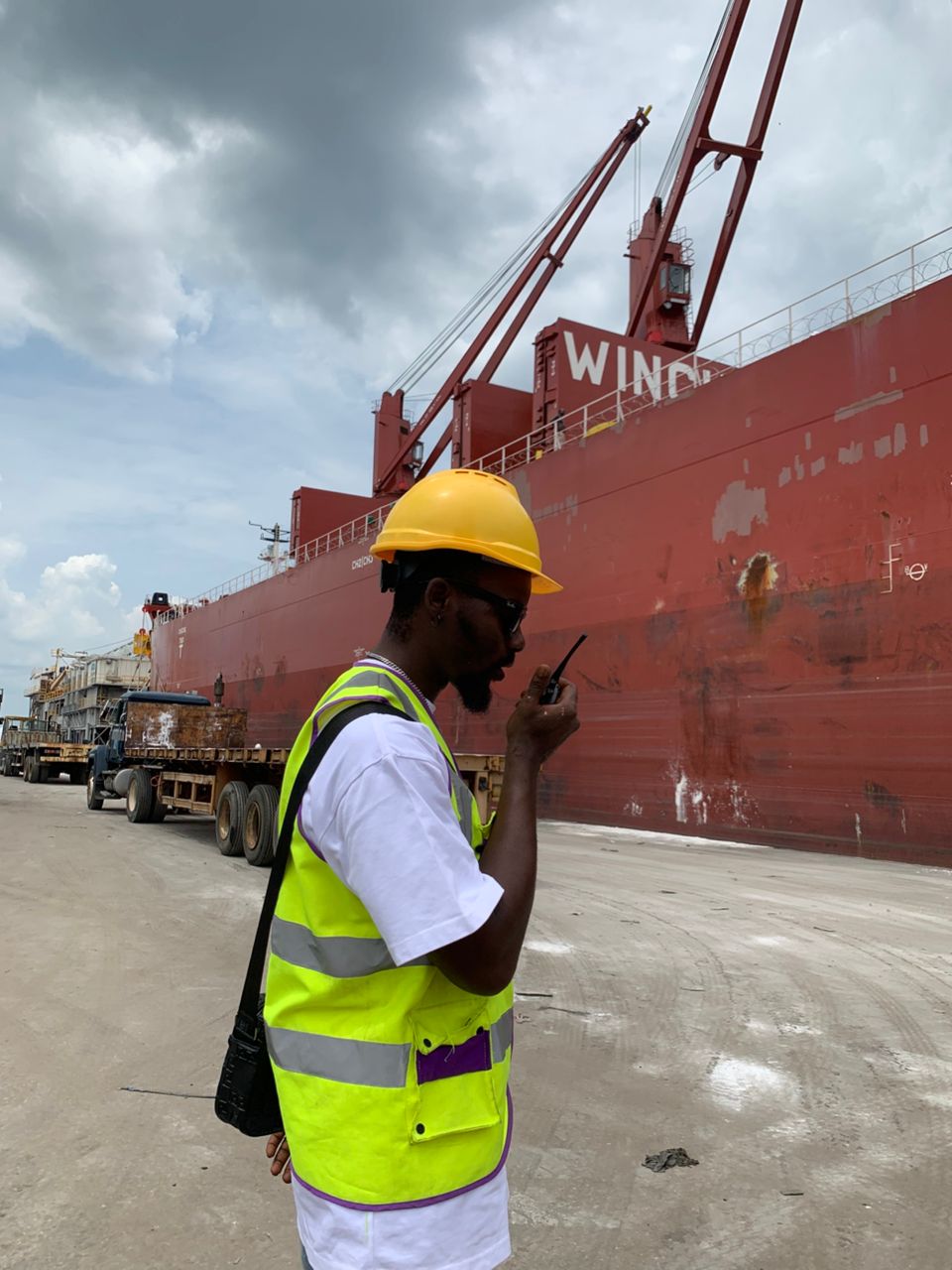

Nigerian agriculture is having a real moment on global markets. Cocoa, cashews, sesame seeds, ginger, hibiscus, shea, and increasingly processed goods are finding buyers in Europe, the Middle East, and Asia.
The opportunity is real. The paperwork, the standards, and the logistics are also real. Here's what an SME needs to actually know before exporting its first container.
Step 1: Register as an exporter
You can't legally export from Nigeria without proper registration:
- CAC registration as a limited liability company (not a business name).
- NEPC registration with the Nigerian Export Promotion Council, this is the export-specific license.
- Tax clearance from FIRS.
- Bank registration for export proceeds, you need a domiciliary account and an authorised dealer bank.
Most first-time exporters underestimate how long this stack takes. Plan 6-10 weeks if you're starting from scratch.
Step 2: Know your product's regulatory regime
Different agricultural products have different export requirements:
- Cocoa requires Cocoa Marketing Board registration and adherence to grading standards.
- Sesame seeds need quality certificates and origin documentation, often with buyer-specific moisture and purity specs.
- Processed foods need NAFDAC export approval.
- Most exports need a phytosanitary certificate from the Nigeria Agricultural Quarantine Service.
The buyer's country adds another layer, EU markets have strict aflatoxin and pesticide residue limits, the UAE has its own halal and standards regime, and Asian markets vary widely.
Step 3: Find a real buyer
"Find a buyer" is the step every guide glosses over, and it's where most exports die. Some practical paths that work:
- NEPC trade missions and buyer-seller meets
- Industry trade shows (Anuga, Gulfood, SIAL)
- Working with established Nigerian exporters as a sub-supplier first
- Direct outreach to importers listed in destination-country agricultural trade directories
The myth is that there's a buyer waiting. The reality is that buyers want consistency, quality, and reliability, and they need to see it before they commit.
Step 4: Get the packaging right
Most rejections at destination are about packaging, not the product itself. Things to get right:
- Food-grade jute bags or polypropylene woven bags, depending on product
- Proper moisture content, too high and your cargo grows mould in transit
- Clear labelling in the destination language with batch numbers and origin
- Stuffing inside the container, proper dunnage prevents shifting damage
Step 5: Choose freight intelligently
For bulk agricultural exports, sea freight (FCL, full container load) is almost always the right answer. Lagos-Rotterdam, Lagos-Dubai, and Lagos-Mumbai are well-served routes with multiple carriers.
Container choice matters: dry van for shelf-stable goods, reefer (refrigerated) for anything temperature-sensitive, ventilated containers for goods that need airflow (some nuts and seeds).
Step 6: Get paid
Export payment terms are their own discipline:
- Letter of credit, safest, most common for first-time relationships
- Cash against documents, common with established buyers
- Advance payment, best for sellers, hard to negotiate without track record
And remember: export proceeds must come back through your authorised dealer bank to qualify for export incentives.
Common mistakes we see
- Trying to export before registration is complete
- Underestimating quality control, one bad shipment kills the relationship
- Skipping insurance to save a few thousand naira on a million-naira cargo
- Using an inexperienced forwarder for first-time export documentation
How Royal Renacido helps
We've handled agricultural exports for both established players and first-time exporters. We can walk you through the documentation, recommend packaging partners, book the freight, and clear the cargo at destination through partner networks.
If you're an SME looking at your first export, talk to us before you commit. We'd rather help you avoid the expensive mistakes than fix them later.
Need help shipping your cargo?
Talk to our team, we'll quote your route honestly and move it cleanly.
Get a Free Quote