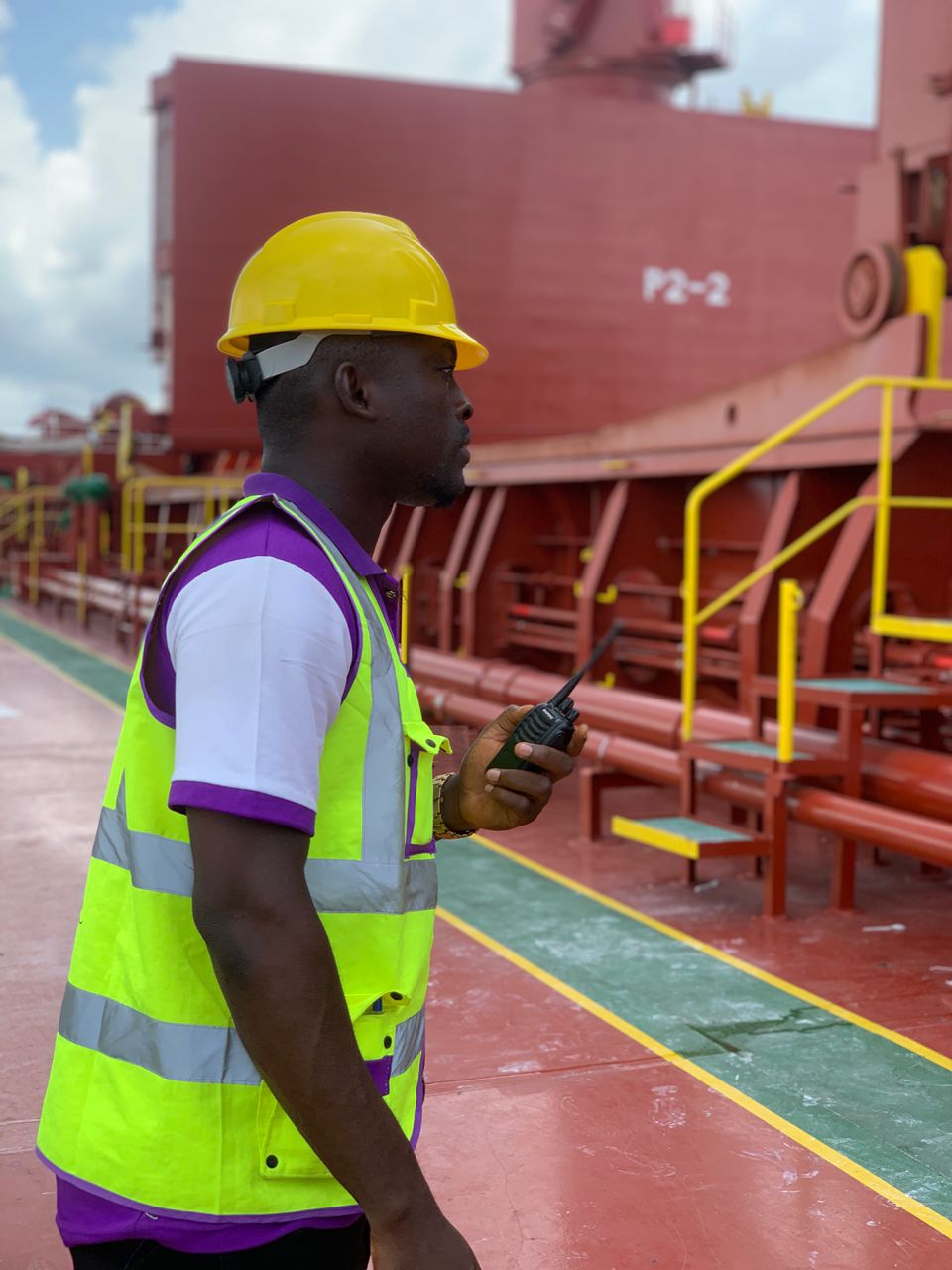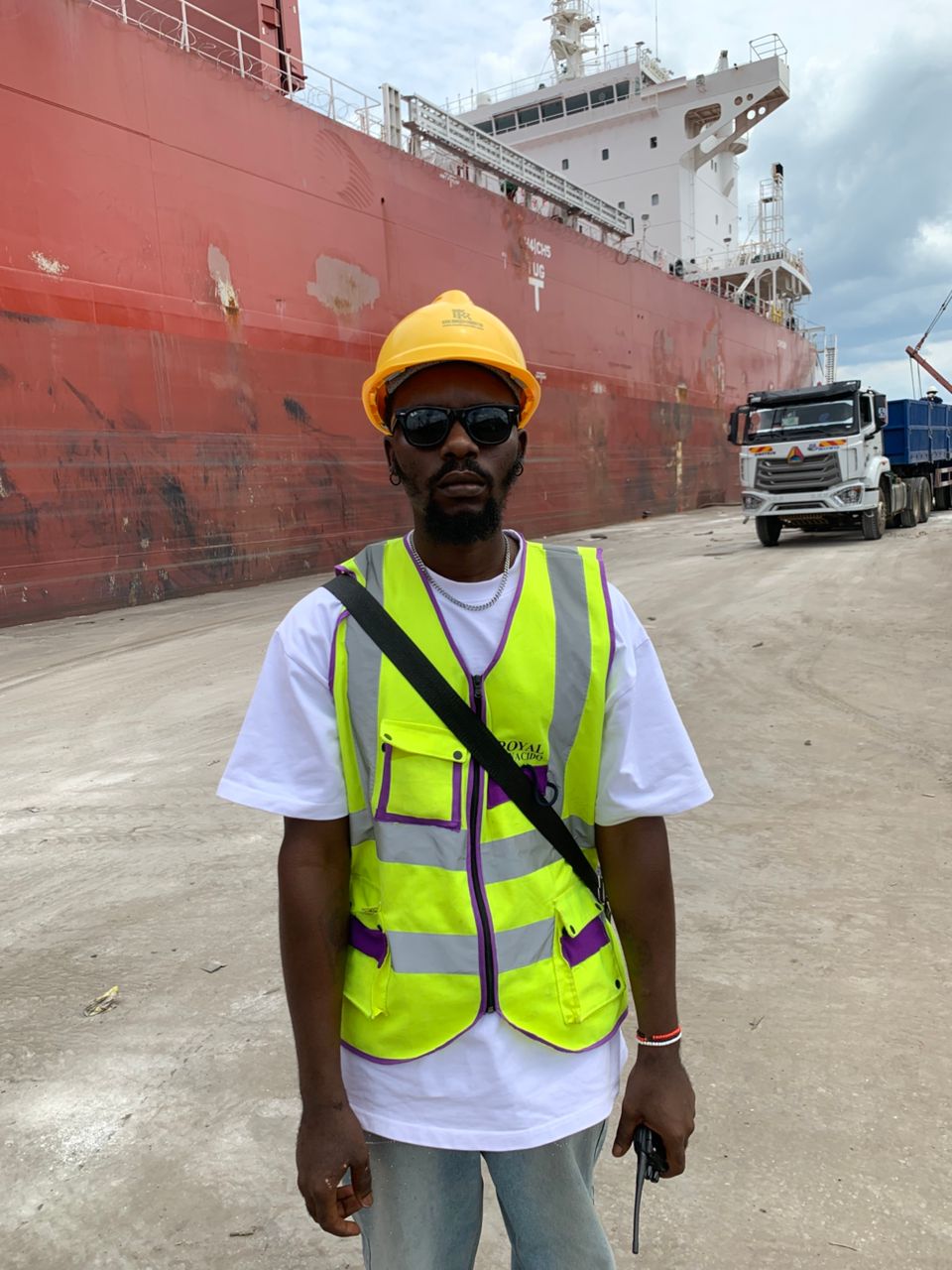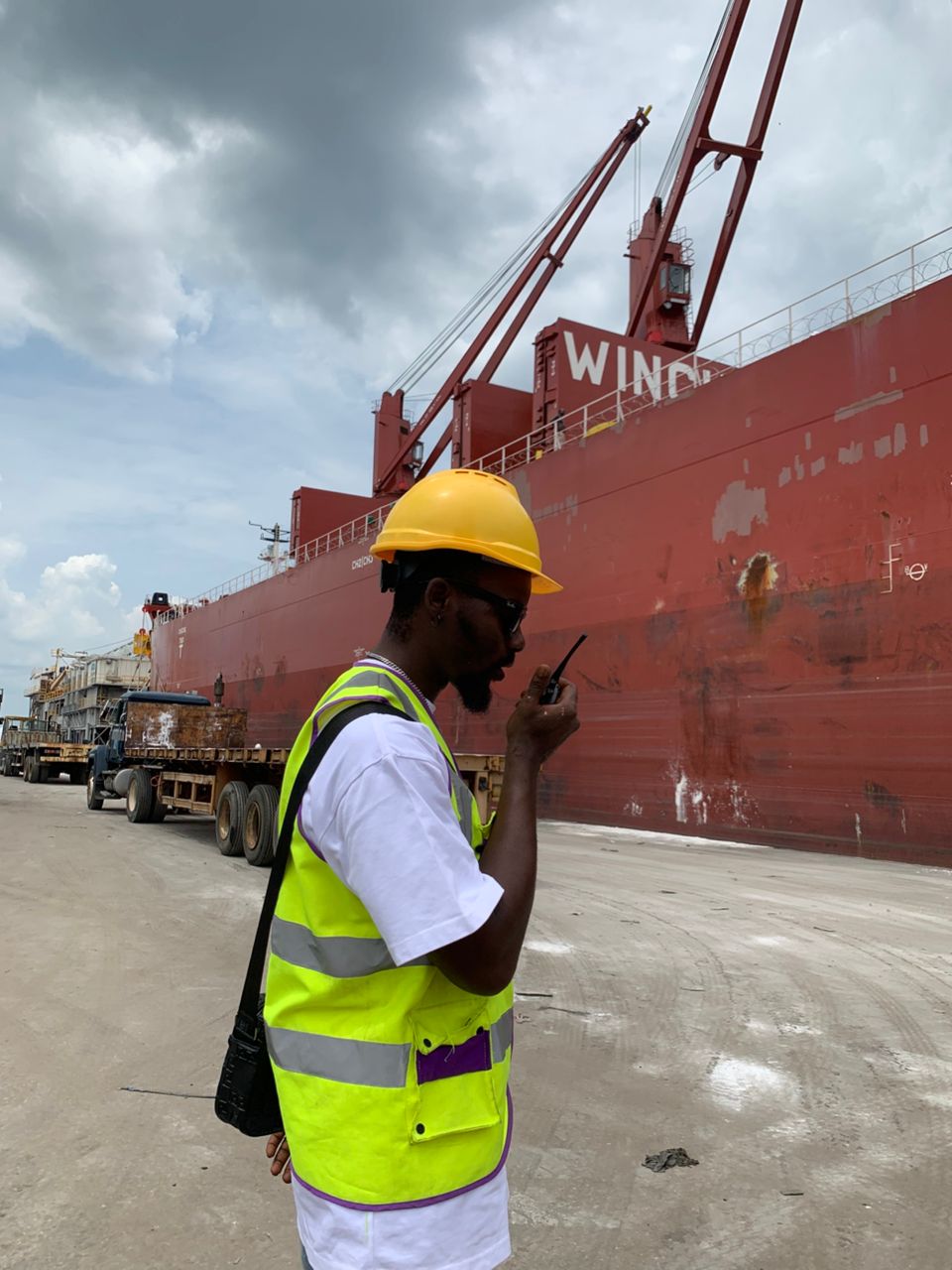
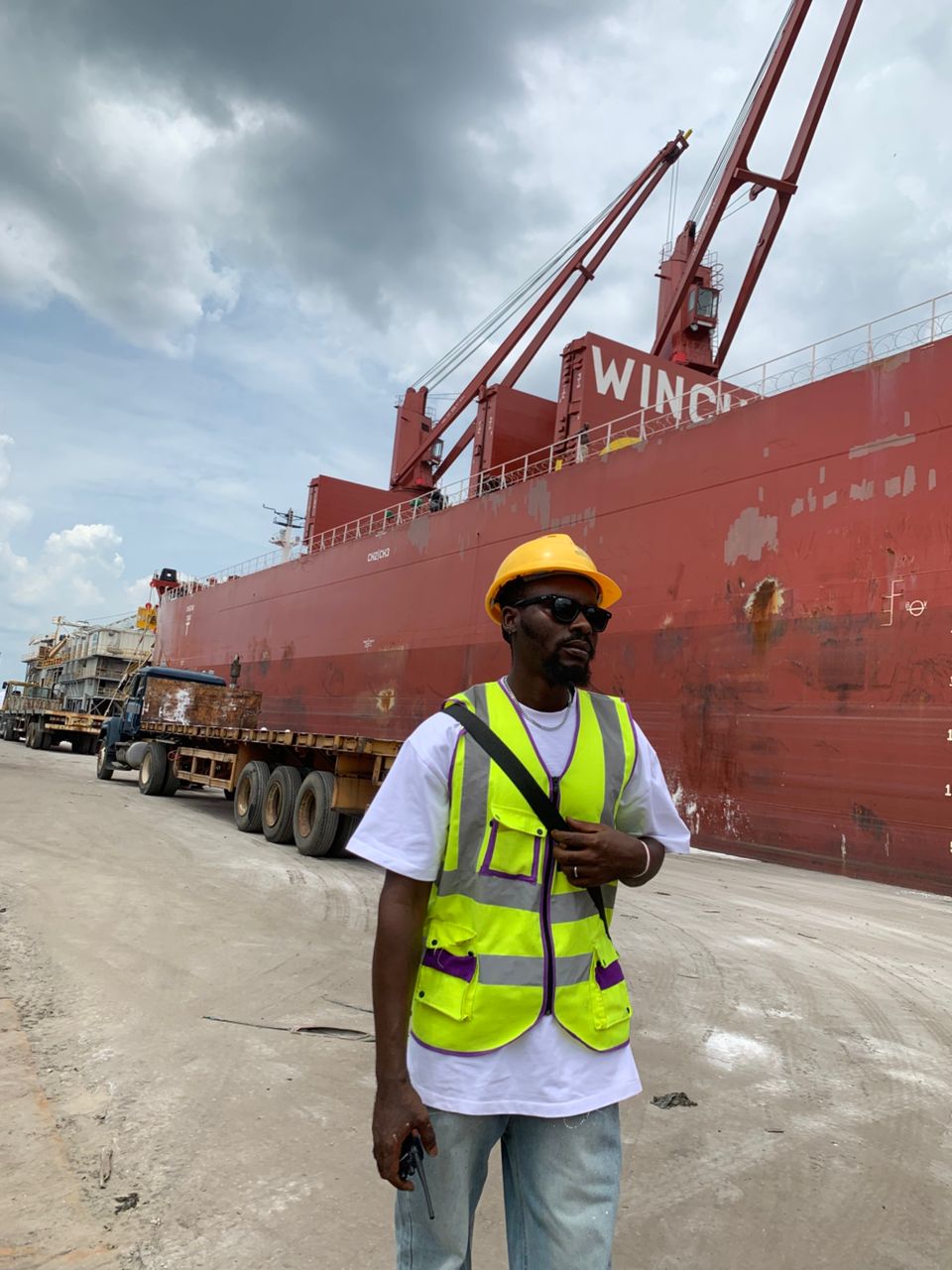
Lagos has more warehouse space available today than it has had in a decade. New developments along the Lagos-Ibadan corridor, expansion around Lekki Free Zone, and a wave of bonded facilities near Apapa and Tin Can have given shippers real choices.
But more choice means more decisions. Here's the framework we use when helping clients pick a location.
1. Distance to the port
Apapa-adjacent space is the most expensive in Lagos for a reason: a 15-minute truck run from port to warehouse can save days on clearance turnaround and dramatically reduce haulage cost per container.
But proximity has limits. Land near the ports is congested, secondary roads are tough, and trucks often spend longer waiting to enter the warehouse than they did driving there. Sometimes a warehouse 20km out, with proper truck-yard space, throughputs faster than one at the gate.
2. Access roads, honestly assessed
The map shows a road. The reality might be a flooded, single-lane diversion that trucks can't navigate in the rainy season. Before signing a lease, visit during a downpour, not just on a sunny inspection day.
Specific things to check:
- Can a 40ft articulated truck physically reach the gate without obstacles?
- Is there a turning area on-site? (You'd be surprised how often there isn't.)
- Are there nearby pinch points, markets, schools, bridges, that slow traffic at predictable times?
3. Power, water, and the obvious basics
If you're storing anything temperature-sensitive, refrigerated, or even just paper goods that hate humidity, the power situation matters enormously. Public power in most Lagos industrial zones is unreliable. The question is not "is there power?", it's "is there a working generator, fuelled, with a maintenance contract?"
Same with water. Same with backup connectivity if you're running any kind of inventory system on-site.
4. Security, visible and operational
A good warehouse has perimeter walls, working lighting, manned gates at all hours, CCTV that someone actually reviews, and incident logs you can audit. A great warehouse also has formal relationships with nearby security agencies and a documented response protocol.
Ask to see the last six months of incident logs. If they don't have them, that's the answer.
5. Bonded vs unbonded
For shippers importing in stages or holding stock under duty deferment, a bonded warehouse can save significant working capital. The catch: bonded facilities have stricter procedural overheads, and you pay for that.
If your inventory turns quickly and duty isn't a cash-flow burden, unbonded is usually simpler and cheaper. If you're holding for months or splitting clearance over time, bonded earns its keep.
6. Labour and operations support
The cheapest warehouse in Lagos is worthless if you can't staff it. Some locations have ready labour pools nearby; others require staff to commute from far. Check what loaders, stackers, and supervisors actually cost in that specific area.
The framework we use with clients
- Map the goods flow first, where do they come from, where do they need to go, how fast?
- Pick two or three candidate locations that match the geography of that flow
- Visit each one personally, not just via photos and brochures
- Verify power, security, and access road quality with current tenants, not the landlord
- Negotiate flexibility into the lease for the first 6 months while you actually test the location
Need help finding the right space?
Royal Renacido operates warehousing across Lagos and works with a network of partner facilities. If you're trying to figure out the right location for your business, we'll walk it through with you, including showing you our own facilities and being honest if they're not the right fit.
Need help shipping your cargo?
Talk to our team, we'll quote your route honestly and move it cleanly.
Get a Free Quote